Thinking about adopting Salesforce but worried about the price tag? You’re not alone. The real Salesforce CRM cost goes far beyond the sticker price—and understanding every layer is crucial for smart budgeting in 2024.
Salesforce CRM Cost: Breaking Down the Pricing Tiers

Salesforce offers a tiered pricing model designed to cater to businesses of all sizes, from startups to global enterprises. Each tier unlocks more advanced features, automation, and support, but the jump in cost can be steep. Understanding these tiers is the first step to estimating your actual investment.
Essentials Plan: Entry-Level for Small Businesses
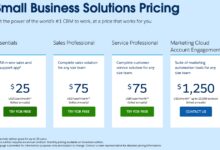
The Essentials plan is Salesforce’s most affordable option, aimed at small businesses just starting with CRM. Priced at $25 per user per month (billed annually), it provides basic contact and lead management, email integration, and simple reporting tools.
- Basic contact, account, and opportunity tracking
- Email integration with Gmail and Outlook
- Mobile access and basic dashboards
- Limited automation and no workflow rules
This plan is ideal for sales teams under 10 people who need a simple CRM without complex automation. However, it lacks critical features like workflow automation and advanced reporting, which may limit scalability. For more details, visit the official Salesforce pricing page.
Professional Plan: Mid-Tier Power for Growing Teams
Priced at $80 per user per month, the Professional plan is where Salesforce starts to deliver real value for growing sales and service teams. It includes workflow automation, advanced reporting, and web-to-lead forms.
- Full sales force automation (SFA)
- Customizable dashboards and reports
- Web-to-lead and web-to-case functionality
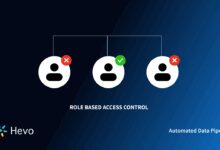
- Role-based access and territory management
This tier is popular among mid-sized companies that need more control over their data and processes. However, it still lacks some advanced features like Einstein Analytics and advanced customization, which are reserved for higher tiers. The jump from $25 to $80 per user is significant, making cost-benefit analysis essential.
Enterprise and Unlimited Plans: Premium Features for Large Organizations
The Enterprise plan, priced at $165 per user per month, and the Unlimited plan at $330, are designed for large enterprises with complex CRM needs. These tiers offer full API access, advanced customization, sandbox environments, and 24/7 support.
- Full API access for integrations
- Unlimited custom apps and objects
- Sandbox environments for testing
- Advanced security and compliance controls
“The Enterprise plan is not just a CRM—it’s a complete customer experience platform.” — Salesforce Customer Success Manager
These plans are ideal for organizations that require deep integration with other enterprise systems, custom development, and high scalability. However, the Salesforce CRM cost here can quickly escalate into tens of thousands of dollars monthly for large teams. Additional costs like training, implementation, and third-party apps must also be factored in.
Hidden Salesforce CRM Cost Factors You Can’t Ignore
While the per-user subscription fee is the most visible part of the Salesforce CRM cost, it’s often just the tip of the iceberg. Many businesses underestimate the total cost of ownership (TCO) because they overlook hidden or indirect expenses.
Implementation and Onboarding Expenses
Implementing Salesforce isn’t as simple as signing up and logging in. Most companies require professional services for data migration, system configuration, and user training. These services can cost anywhere from $5,000 to over $100,000, depending on complexity.
- Data migration from legacy systems
- Custom field and object setup
- User role and permission configuration
- Training sessions for staff
For example, a mid-sized company migrating 50,000 customer records might spend $20,000 on implementation alone. Using a certified Salesforce partner like Accenture or Deloitte can ensure a smooth rollout but adds to the upfront cost.
Customization and Development Costs
Salesforce’s flexibility is one of its biggest strengths, but customization comes at a price. Building custom workflows, Apex code, Visualforce pages, or Lightning components requires skilled developers, often billed at $150–$250 per hour.
- Custom app development
- Workflow and approval automation
- Integration with ERP, marketing, or finance systems
- UI/UX enhancements for user adoption
A company adding a custom order management module might spend $30,000–$50,000 on development. These costs are recurring if ongoing maintenance or updates are needed. Always budget for at least 15–20% of your annual license cost for customization.
Third-Party App and Integration Fees
The Salesforce AppExchange hosts over 5,000 apps that extend functionality. While some are free, many popular tools like Mailchimp, DocuSign, or industry-specific solutions charge monthly fees per user.
- Marketing automation integrations
- Document signing and e-contract tools
- Telephony and call center software
- AI-powered analytics and chatbots
For instance, adding Einstein Lead Scoring costs an extra $50 per user per month. A team of 20 users would pay $1,000 monthly just for this add-on. Always audit AppExchange subscriptions annually to avoid paying for unused tools.
Salesforce CRM Cost vs. Competitors: How Does It Stack Up?
When evaluating the Salesforce CRM cost, it’s essential to compare it with alternatives like HubSpot, Zoho CRM, and Microsoft Dynamics 365. Each platform offers different value propositions, and the cheapest option isn’t always the most cost-effective in the long run.
HubSpot CRM: Free Tier vs. Limited Scalability
HubSpot offers a robust free CRM with contact management, email tracking, and basic automation. Paid plans start at $45 per user per month for the Professional tier, which includes marketing automation and reporting.
- Free plan is generous for startups
- Intuitive UI with low learning curve
- Less scalable for complex sales processes
- Fewer customization options than Salesforce
While HubSpot is cheaper upfront, it may not handle enterprise-level complexity. Migrating from HubSpot to Salesforce later can incur high data migration and retraining costs. For more, see HubSpot’s pricing page.
Zoho CRM: Budget-Friendly but Feature-Limited
Zoho CRM starts at just $14 per user per month, making it one of the most affordable CRMs. The Professional plan at $23 includes workflow automation and custom functions.
- Extremely cost-effective for small teams
- Good integration with Zoho’s ecosystem
- Less robust support and training resources
- UI feels outdated compared to Salesforce
Zoho is ideal for budget-conscious businesses, but lacks the AI, scalability, and ecosystem strength of Salesforce. The Salesforce CRM cost is higher, but the ROI in efficiency and customer insights can justify the premium.
Microsoft Dynamics 365: Enterprise Alternative with Deep Office 365 Integration
Dynamics 365 Sales starts at $65 per user per month for the Enterprise edition. It integrates seamlessly with Microsoft 365, making it attractive for organizations already using Outlook, Teams, and SharePoint.
- Strong integration with Microsoft ecosystem
- Power BI for advanced analytics
- Complex licensing structure
- Steeper learning curve than Salesforce
Dynamics 365 can be more cost-effective for Microsoft-centric organizations, but Salesforce still leads in ease of use, third-party integrations, and AI capabilities. The Salesforce CRM cost may be higher, but so is the return on customer engagement.
How to Reduce Your Salesforce CRM Cost Strategically
While Salesforce is a premium product, there are proven strategies to reduce your total cost of ownership without sacrificing functionality. Smart planning and ongoing management can save thousands annually.
Negotiate Your Contract and Leverage Discounts
Salesforce rarely offers discounts publicly, but enterprise deals are negotiable. Companies signing multi-year contracts or purchasing in bulk (50+ users) can often secure 10–25% discounts.
- Commit to 2–3 year contracts for better rates
- Bundling Sales Cloud, Service Cloud, and Marketing Cloud
- Nonprofits and educational institutions qualify for up to 80% off
- Ask about seasonal promotions or partner-led deals
Always involve a procurement specialist or Salesforce partner during negotiations. According to Forrester’s Total Economic Impact report, organizations that negotiate save an average of 18% on their annual spend.
Optimize User Licenses and Roles
One of the biggest cost leaks is over-provisioning licenses. Not every employee needs a full Salesforce license. Use lower-cost licenses like Salesforce Platform or Force.com for users who only need access to custom apps.
- Assign Chatter Free licenses for read-only users
- Use Community Cloud licenses for customer or partner portals
- Regularly audit inactive users and deactivate them
- Implement role hierarchies to minimize admin overhead
A company with 100 employees might only need 60 full Sales Cloud licenses, saving $4,800 monthly by using lighter licenses for the rest. Regular license audits can uncover significant savings.
Leverage Free Resources and Trailhead Learning
Salesforce offers Trailhead, a free online learning platform, to help users master the platform without costly training programs. Teams can earn certifications and build skills at no extra cost.
- Trailhead modules for admins, developers, and users
- Free webinars and virtual bootcamps
- Community forums and user groups
- Open-source code and templates on GitHub
Investing time in Trailhead can reduce dependency on paid consultants and improve user adoption. Companies report up to 40% faster onboarding when using Trailhead for training.
Salesforce CRM Cost for Specific Industries
The Salesforce CRM cost varies significantly depending on the industry, as different sectors have unique compliance, integration, and functionality needs. Let’s explore how pricing adapts to key verticals.
Healthcare: HIPAA Compliance and Patient Management
In healthcare, Salesforce Health Cloud adds HIPAA-compliant features for patient engagement, care coordination, and telehealth. The base license starts at $300 per user per month, making it one of the most expensive configurations.
- HIPAA and GDPR compliance tools
- Patient 360 view for holistic care
- Integration with EHR systems like Epic or Cerner
- Audit trails and data encryption
The Salesforce CRM cost in healthcare is justified by improved patient outcomes and regulatory compliance. However, implementation can take 6–12 months and cost over $200,000 for mid-sized providers.
Financial Services: Secure Client Portals and Compliance
Salesforce Financial Services Cloud offers tools for wealth management, client onboarding, and regulatory reporting. Pricing starts at $175 per user per month, with additional costs for security and audit features.
- Client relationship timelines
- Secure document sharing and e-signatures
- FINRA and SEC compliance support
- Integration with portfolio management systems
Banks and advisory firms often spend $50,000+ on customization to meet strict compliance standards. The Salesforce CRM cost here is high but necessary for trust and scalability.
Retail and E-Commerce: Omnichannel Customer Experience
Retailers use Salesforce Commerce Cloud and Sales Cloud to unify online and in-store experiences. Commerce Cloud pricing is custom-quoted, often starting at $50,000 annually, while Sales Cloud adds per-user costs.
- Unified customer profiles across channels
- AI-driven product recommendations
- Inventory and order management integration
- Personalized marketing automation
For e-commerce brands, the Salesforce CRM cost is an investment in customer lifetime value. Companies like Unilever and Puma report 20–30% increases in conversion rates after implementation.
Future Trends Impacting Salesforce CRM Cost in 2024 and Beyond
The Salesforce CRM cost landscape is evolving due to technological advancements, market competition, and changing customer expectations. Staying ahead of these trends can help you plan smarter investments.
Rise of AI and Einstein GPT: Value vs. Cost
Salesforce Einstein AI and the new Einstein GPT are transforming CRM with generative AI for email drafting, lead scoring, and forecasting. However, these features come at a premium—Einstein Analytics starts at $75 per user per month.
- AI-powered sales insights and predictions
- Automated data entry and note-taking
- Dynamic forecasting and pipeline analysis
- Higher costs for AI add-ons
While AI boosts productivity, it also increases the Salesforce CRM cost. Companies must evaluate whether the ROI in time savings and accuracy justifies the added expense.
Subscription Fatigue and Demand for Flexible Pricing
As SaaS costs rise, businesses are experiencing subscription fatigue. Salesforce faces pressure to offer more flexible pricing, such as pay-per-use models or modular feature bundles.
- Increased demand for à la carte features
- Pressure to reduce minimum user commitments
- Competitors offering usage-based pricing
- Potential for Salesforce to introduce tiered AI pricing
In response, Salesforce has started offering more flexible bundles, but true usage-based pricing remains limited. Expect gradual changes as customer demands evolve.
Cloud Consolidation and Integration Economies
Enterprises are consolidating their tech stacks to reduce complexity and cost. Salesforce’s ecosystem advantage—integrating Sales, Service, Marketing, and Commerce Clouds—can lead to long-term savings despite higher initial costs.
- Reduced need for third-party tools
- Lower integration and maintenance costs
- Unified data and reporting
- Better compliance and security management
Organizations using multiple Salesforce clouds report 15–25% lower TCO over five years compared to best-of-breed solutions. The Salesforce CRM cost is an investment in long-term operational efficiency.
Real-World Case Studies: Salesforce CRM Cost in Action
Understanding theoretical pricing is one thing, but real-world examples reveal how companies actually manage the Salesforce CRM cost and achieve ROI.
Mid-Sized Tech Company: Scaling Sales with Professional Edition
A 75-person SaaS company upgraded from Zoho CRM to Salesforce Professional Edition to improve sales forecasting and automation. With 50 sales and support users, their annual license cost was $48,000.
- Spent $15,000 on implementation and data migration
- Added $10,000/year for Pardot marketing automation
- Trained staff using Trailhead, saving $8,000 in training fees
- Increased sales productivity by 35% in 6 months
Total first-year cost: ~$73,000. The company recovered this investment within 14 months through faster deal closures and reduced churn.
Global Nonprofit: Leveraging Discounts for Maximum Impact
A large international nonprofit with 200 staff used Salesforce Nonprofit Cloud. Thanks to the Power of Us program, they received an 80% discount, reducing their annual cost from $396,000 to $79,200.
- Used Salesforce for donor management and grant tracking
- Integrated with accounting software for financial reporting
- Customized dashboards for board-level insights
- Improved donor retention by 22%
The Salesforce CRM cost was minimal due to discounts, but the impact was massive. The organization now reports higher transparency and donor trust.
Enterprise Retailer: Unified Commerce and Service Cloud
A multinational retailer implemented Salesforce Commerce Cloud and Service Cloud to unify customer experiences. The total annual cost exceeded $1.2 million, including licenses, implementation, and integrations.
- Integrated online, mobile, and in-store channels
- Reduced customer service response time by 40%
- Increased average order value by 18%
- Centralized inventory and order management
Despite the high Salesforce CRM cost, the company achieved a 200% ROI within two years through improved customer satisfaction and operational efficiency.
What is the starting price for Salesforce CRM?
The starting price for Salesforce CRM is $25 per user per month with the Essentials plan. However, most businesses find the Professional plan at $80 per user per month more suitable for real-world use.
Are there hidden costs with Salesforce CRM?
Yes, common hidden costs include implementation fees ($5,000–$100,000+), customization by developers ($150–$250/hour), third-party app subscriptions, and training. These can double the total cost of ownership.
Can nonprofits get discounts on Salesforce?
Yes, through the Power of Us program, eligible nonprofits can receive up to 80% off Salesforce products, including Sales Cloud, Service Cloud, and Nonprofit Cloud.
Is Salesforce worth the cost compared to cheaper CRMs?
For growing and enterprise businesses, yes. While cheaper CRMs exist, Salesforce offers superior scalability, AI capabilities, integrations, and support. The ROI often justifies the higher Salesforce CRM cost.
How can I reduce my Salesforce CRM expenses?
You can reduce costs by negotiating multi-year contracts, optimizing user licenses, using free Trailhead training, auditing AppExchange apps, and leveraging Salesforce’s discount programs for nonprofits and startups.
Understanding the true Salesforce CRM cost goes far beyond the monthly per-user fee. From implementation and customization to industry-specific needs and hidden fees, the total investment can vary dramatically. However, with strategic planning, negotiation, and efficient use of resources, businesses can maximize ROI and turn Salesforce into a powerful growth engine. Whether you’re a small startup or a global enterprise, knowing every layer of the cost structure empowers smarter decisions in 2024 and beyond.
Further Reading:
