In today’s hyper-competitive business landscape, integrating enterprise CRM software with ERP systems isn’t just smart—it’s essential. Discover how this powerful synergy drives efficiency, insight, and growth across large organizations.
What Is Enterprise CRM Software with ERP Integration?

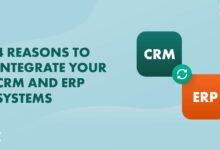
Enterprise CRM software with ERP integration refers to the seamless connection between a Customer Relationship Management (CRM) system designed for large-scale businesses and an Enterprise Resource Planning (ERP) platform. This integration unifies customer data from sales, marketing, and service with internal operations like finance, inventory, HR, and supply chain management. The result? A single source of truth that empowers decision-makers across departments.
Defining Enterprise CRM Systems
Enterprise CRM systems are robust platforms built to handle the complex needs of large organizations with multiple departments, geographies, and high transaction volumes. Unlike small business CRMs, enterprise solutions offer advanced automation, scalability, customization, and security features.
- Support for thousands of users across global teams
- Advanced analytics and AI-driven insights
- Custom workflows tailored to industry-specific processes
Examples include Salesforce Sales Cloud, Microsoft Dynamics 365, Oracle CX, and SAP C/4HANA. These platforms go beyond contact management—they orchestrate the entire customer lifecycle.
Understanding ERP Systems in Depth
ERP systems integrate core business functions such as accounting, procurement, manufacturing, inventory, and human resources into a unified system. They ensure data consistency, reduce redundancy, and improve operational efficiency.
- Real-time financial reporting and compliance tracking
- Supply chain visibility and procurement automation
- HR and payroll integration across regions
Leading ERP vendors include SAP S/4HANA, Oracle ERP Cloud, Microsoft Dynamics 365 Finance and Operations, and Infor CloudSuite. When combined with CRM, ERP becomes more than a back-office tool—it becomes a strategic asset for customer-centric operations.
The Synergy Between CRM and ERP
The integration of enterprise CRM software with ERP integration creates a bi-directional flow of information. Sales teams can see real-time inventory levels before promising delivery dates. Customer service reps access order history and billing status instantly. Finance departments gain visibility into sales forecasts and customer payment behaviors.
“When CRM and ERP speak the same language, every department works from the same playbook—eliminating silos and accelerating decision-making.” — Gartner Research
This synergy transforms isolated departments into a cohesive, agile organization. According to a Gartner report, companies with integrated CRM and ERP systems report 25% faster order fulfillment and 30% higher customer satisfaction rates.
enterprise crm software with erp integration – Enterprise crm software with erp integration menjadi aspek penting yang dibahas di sini.
Top 7 Benefits of Enterprise CRM Software with ERP Integration
Integrating enterprise CRM software with ERP integration isn’t just about connecting two systems—it’s about unlocking transformative business outcomes. Below are seven powerful benefits that drive ROI and competitive advantage.
1. Unified Data Across Departments
Data silos are one of the biggest obstacles to efficiency in large enterprises. When CRM and ERP operate independently, sales might promise delivery based on outdated inventory data, or customer service may lack access to billing records.
- Eliminates duplicate data entry across systems
- Ensures consistent customer information across touchpoints
- Reduces errors caused by manual data transfers
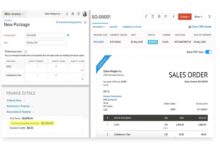
With integration, a sales rep creating a quote in the CRM can instantly pull pricing, availability, and shipping costs from the ERP. This real-time synchronization prevents overpromising and enhances credibility with clients.
2. Enhanced Customer Experience
Today’s customers expect personalized, seamless interactions. Enterprise CRM software with ERP integration enables organizations to deliver exactly that by providing a 360-degree view of the customer.
- Service agents see complete purchase history, open invoices, and support tickets
- Marketing teams segment audiences based on actual transaction behavior
- Sales can anticipate needs using predictive analytics from ERP data
For example, if a customer frequently orders a specific product every quarter, the system can trigger automated outreach before stock runs low. This level of personalization increases loyalty and lifetime value.
3. Improved Operational Efficiency
Manual processes between CRM and ERP—like exporting leads to create sales orders in ERP—are time-consuming and error-prone. Integration automates these workflows, reducing cycle times and freeing up staff for higher-value tasks.
- Automated order creation from CRM quotes
- Synchronized customer master data across platforms
- Real-time updates on order status, shipping, and invoicing
A study by Nucleus Research found that companies with integrated CRM and ERP systems achieve a 15% reduction in operational costs within the first year of implementation.
4. Accurate Forecasting and Reporting
Without integration, sales forecasts in CRM often don’t align with financial projections in ERP. This disconnect leads to inaccurate budgeting, production overruns, or stockouts.
enterprise crm software with erp integration – Enterprise crm software with erp integration menjadi aspek penting yang dibahas di sini.
- Real-time alignment of sales pipelines with revenue recognition
- Consolidated dashboards showing both customer and financial KPIs
- Predictive analytics powered by combined behavioral and transactional data
For instance, a CFO can view not only how many deals are in the pipeline but also their impact on cash flow, inventory requirements, and production capacity—all in one report.
5. Faster Order-to-Cash Cycles
The order-to-cash (O2C) process spans from lead generation to final payment. In non-integrated environments, this process involves multiple handoffs and delays.
- Quotes generated in CRM automatically become sales orders in ERP
- Inventory checks happen in real time during quoting
- Invoices are created and sent immediately upon shipment
According to McKinsey, integrated enterprises reduce their O2C cycle time by up to 40%, improving cash flow and customer satisfaction.
6. Scalability and Global Compliance
Enterprise CRM software with ERP integration supports growth across regions and regulatory environments. As businesses expand, they face challenges in managing multi-currency transactions, tax compliance, and localized customer service.
- Automatic currency conversion and tax calculation
- Centralized compliance tracking for GDPR, SOX, and other regulations
- Localized customer portals with region-specific pricing and language
For multinational corporations, this means consistent processes without sacrificing local adaptability.
7. Strategic Decision-Making with Real-Time Insights
Integrated systems provide executives with real-time dashboards that combine customer engagement metrics with financial performance. This holistic view enables faster, data-driven decisions.
- Track customer acquisition cost (CAC) against lifetime value (LTV)
- Analyze sales performance by region, product, and sales rep
- Monitor supply chain bottlenecks affecting customer delivery
With AI-powered analytics, leaders can simulate scenarios—like the impact of a price change or a new marketing campaign—before implementation.
Key Features to Look for in Enterprise CRM Software with ERP Integration
Not all CRM and ERP integrations are created equal. When evaluating solutions, focus on features that ensure reliability, scalability, and long-term value.
enterprise crm software with erp integration – Enterprise crm software with erp integration menjadi aspek penting yang dibahas di sini.
Real-Time Data Synchronization
The hallmark of a successful integration is real-time data flow. Delays in syncing customer, order, or inventory data can lead to costly mistakes.
- Bi-directional sync between CRM and ERP databases
- Conflict resolution mechanisms for duplicate records
- Low-latency updates (ideally under 1 second)
Solutions like MuleSoft (owned by Salesforce) and Dell Boomi offer robust middleware for real-time integration, ensuring that changes in one system are instantly reflected in the other.
Customizable Workflows and Automation
Large enterprises have unique processes. The best enterprise CRM software with ERP integration allows deep customization without requiring extensive coding.
- Drag-and-drop workflow builders
- Pre-built connectors for major ERP systems
- Support for custom APIs and legacy system integration
For example, Microsoft Dynamics 365 offers Power Automate, enabling non-technical users to create complex workflows that trigger actions across CRM and ERP modules.
Advanced Security and Access Controls
With sensitive customer and financial data flowing between systems, security is paramount. Look for solutions with enterprise-grade encryption, role-based access, and audit trails.
- Multi-factor authentication (MFA) and single sign-on (SSO)
- Granular permissions by user, role, or department
- Compliance with ISO 27001, SOC 2, and GDPR standards
Oracle’s integrated cloud suite, for instance, includes built-in data masking and anomaly detection to prevent unauthorized access.
Top Enterprise CRM Software with ERP Integration Solutions
Several vendors offer native or tightly integrated CRM and ERP platforms. Here’s a breakdown of the leading options.
Salesforce with SAP or Oracle ERP
Salesforce, the world’s leading CRM, integrates seamlessly with SAP and Oracle ERP systems via middleware like MuleSoft or native connectors.
enterprise crm software with erp integration – Enterprise crm software with erp integration menjadi aspek penting yang dibahas di sini.
- MuleSoft enables real-time data exchange and API management
- Pre-built templates for order, customer, and invoice synchronization
- AI-powered Einstein Analytics for combined insights
Many Fortune 500 companies use this combination to maintain Salesforce’s superior front-end experience while leveraging SAP’s robust back-end capabilities.
Microsoft Dynamics 365: Native CRM and ERP Integration
Microsoft Dynamics 365 is one of the few platforms offering true native integration between CRM (Customer Engagement) and ERP (Finance and Operations).
- Unified data model across sales, service, finance, and supply chain
- Seamless user experience with shared identity and navigation
- Deep integration with Microsoft Azure, Power BI, and Office 365
This makes it ideal for mid-to-large enterprises already invested in the Microsoft ecosystem.
Oracle CX and Oracle ERP Cloud
Oracle offers a fully integrated suite where CX (CRM) and ERP Cloud share the same database and security model.
- No data duplication or sync delays
- AI-driven recommendations across customer and financial data
- Global scalability with regional compliance built-in
Oracle’s integration is particularly strong for manufacturing and supply chain-heavy industries.
Challenges and How to Overcome Them
Despite the benefits, integrating enterprise CRM software with ERP integration can be complex. Understanding the challenges upfront helps ensure a smooth rollout.
Data Migration and Cleansing
One of the biggest hurdles is migrating legacy data from disparate systems. Poor data quality—duplicates, inconsistencies, missing fields—can derail integration.
- Conduct a comprehensive data audit before migration
- Use ETL (Extract, Transform, Load) tools to clean and standardize data
- Validate data post-migration with sample testing
Tools like Informatica and Talend are widely used for large-scale data cleansing and migration projects.
enterprise crm software with erp integration – Enterprise crm software with erp integration menjadi aspek penting yang dibahas di sini.
Change Management and User Adoption
Employees accustomed to legacy systems may resist new workflows. Without proper training and communication, adoption rates can plummet.
- Involve end-users early in the design process
- Provide role-based training and ongoing support
- Highlight quick wins to build momentum
A 2023 IBM study found that companies with strong change management practices achieve 3x higher user adoption rates.
Integration Complexity and Maintenance
Integrating two complex systems requires careful planning. APIs may change, data formats evolve, and performance can degrade over time.
- Use middleware platforms with monitoring and alerting
- Establish a dedicated integration team or partner with experts
- Schedule regular health checks and updates
Investing in a robust integration platform as a service (iPaaS) like Boomi or Workato can reduce long-term maintenance costs.
Implementation Best Practices
A successful integration requires more than just technology—it demands strategy, planning, and execution excellence.
Define Clear Objectives and KPIs
Start with a clear vision: What business problems are you solving? Define measurable goals such as reducing order processing time by 30% or increasing cross-sell revenue by 20%.
- Align integration goals with overall business strategy
- Identify key stakeholders from sales, finance, IT, and operations
- Establish baseline metrics before implementation
Without clear KPIs, it’s difficult to measure success or justify ROI.
Choose the Right Integration Approach
There are several ways to integrate CRM and ERP: point-to-point APIs, middleware, or native cloud suites. Each has trade-offs.
enterprise crm software with erp integration – Enterprise crm software with erp integration menjadi aspek penting yang dibahas di sini.
- Point-to-point: Fast for simple needs but hard to scale
- Middleware (iPaaS): Flexible and scalable, ideal for hybrid environments
- Native suites: Best performance and support, but vendor-locked
For most enterprises, an iPaaS solution offers the best balance of flexibility and reliability.
Phased Rollout and Testing
Implementing across the entire organization at once is risky. A phased approach allows for testing, feedback, and refinement.
- Start with a pilot group (e.g., one sales region or product line)
- Test integration under real-world conditions
- Iterate based on user feedback before full deployment
This minimizes disruption and increases confidence in the system.
Future Trends in Enterprise CRM and ERP Integration
The landscape of enterprise CRM software with ERP integration is evolving rapidly, driven by AI, cloud computing, and customer expectations.
AI and Predictive Analytics
AI is transforming integration from reactive to proactive. Systems can now predict customer churn, recommend next-best actions, and forecast demand with high accuracy.
- Salesforce Einstein and Microsoft AI offer embedded predictive models
- ERP systems use AI to optimize inventory and production schedules
- Combined CRM-ERP AI engines identify cross-sell opportunities in real time
According to IDC, by 2025, 70% of enterprise CRM and ERP interactions will be augmented by AI.
Hyperautomation and Process Orchestration
Future systems won’t just integrate data—they’ll automate entire business processes across CRM and ERP.
- Robotic Process Automation (RPA) handles repetitive tasks like invoice matching
- Low-code platforms enable business users to build integrations
- Event-driven architectures trigger actions across systems instantly
This shift toward hyperautomation will reduce human intervention and accelerate business velocity.
enterprise crm software with erp integration – Enterprise crm software with erp integration menjadi aspek penting yang dibahas di sini.
Cloud-Native and Composable Architectures
Modern enterprises are moving toward composable business models—using best-of-breed applications connected via APIs.
- Cloud-native integration ensures high availability and scalability
- Microservices allow modular upgrades without system-wide downtime
- API-first design enables rapid integration with third-party tools
This flexibility is crucial for adapting to market changes and innovation.
What is enterprise CRM software with ERP integration?
Enterprise CRM software with ERP integration connects a large-scale customer relationship management system with an enterprise resource planning platform to unify customer data with financial, inventory, and operational data for improved decision-making and efficiency.
Why is CRM and ERP integration important for large businesses?
It eliminates data silos, improves customer experience, accelerates order fulfillment, enhances forecasting accuracy, and enables real-time insights across departments—critical for scaling operations and maintaining competitiveness.
Which CRM systems integrate best with ERP platforms?
Salesforce (with SAP or Oracle via MuleSoft), Microsoft Dynamics 365 (native integration), and Oracle CX with Oracle ERP Cloud offer some of the most robust and scalable integration capabilities for enterprises.
enterprise crm software with erp integration – Enterprise crm software with erp integration menjadi aspek penting yang dibahas di sini.
What are the main challenges of integrating CRM and ERP?
Key challenges include data migration and quality issues, user resistance due to change management, integration complexity, and ongoing maintenance of data sync and system performance.
How can companies ensure a successful CRM-ERP integration?
Success requires clear objectives, stakeholder alignment, phased implementation, robust change management, and the use of reliable integration platforms (like iPaaS) to ensure scalability and long-term sustainability.
Integrating enterprise CRM software with ERP integration is no longer optional for large organizations aiming to stay competitive. It bridges the gap between customer-facing teams and back-office operations, creating a unified, agile, and insight-driven enterprise. From improved data accuracy to faster decision-making and superior customer experiences, the benefits are transformative. While challenges exist, they can be overcome with proper planning, technology selection, and change management. As AI, automation, and cloud-native architectures evolve, the future of CRM-ERP integration promises even greater intelligence and efficiency. Companies that embrace this integration today will be the leaders of tomorrow.
Further Reading:
